Securing a dedicated pest control service Windsor Mill homeowners trust ensures complete structural defense against destructive wood-destroying organisms, interior rodent nesting, and aggressive seasonal insects. When searching for reliable pest control near me to protect split-level foundations or crawl spaces from persistent dampness, our methodology emphasizes precision entry-point exclusion rather than indiscriminate surface spraying.
No forms — call now for a fast, no-pressure quote.
📞 Call (227) 269-7532
A professional pest control service in Windsor Mill is a specialized structural protection service that eliminates active insect and rodent infestations while sealing building envelopes against future pest entry.
Every service reflects the same meticulous attention to detail — whether it's a single job or a larger pest control service project across Windsor Mill.
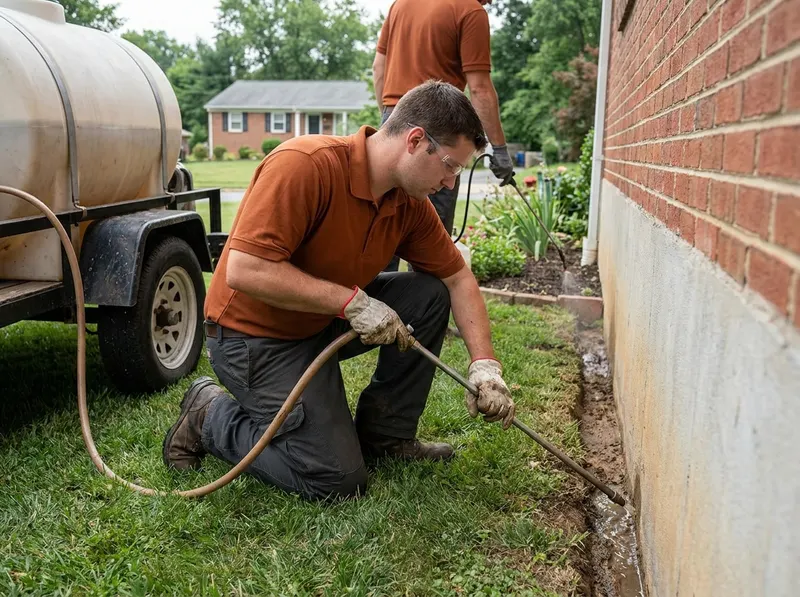
Subterranean termites cause severe structural framing damage by silently hollowing load-bearing timbers, floor joists, and sill plates from the subterranean soil upward. Our technicians establish continuous non-repellent liquid soil barriers and precision in-ground monitoring stations around your foundation footing. We trench exterior perimeter soil down to six inches, drill through attached garage slabs or masonry porches where necessary, and inject specialized termiticides that foraging worker termites transfer throughout the subterranean colony. This approach eliminates entire underground colonies attempting to bridge clay soil into structural sill plates, backed by comprehensive annual structural re-inspections.
View details →
House mice and Norway rats contaminate food preparation areas, chew through insulation batts, and pose severe electrical fire hazards by gnawing wiring inside drywall chases and attic floorings. Our technicians install interior mechanical capture grids in non-living utility zones and permanently seal exterior entry gaps larger than a quarter-inch using galvanized steel hardware cloth, copper mesh, and heavy-duty elastomeric sealants. We inspect foundation crawl vents, air conditioning line sleeves, and roof soffit joints to eliminate exterior travel routes. Once active populations are removed, we clean contaminated droppings, apply botanical sanitizing mists, and restore compromised insulation to prevent pheromone-driven re-infestations.
View details →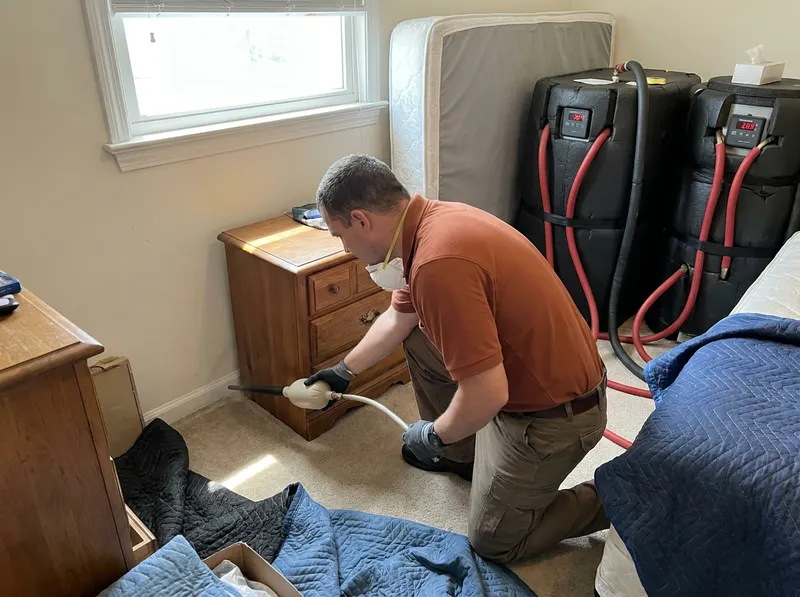
Bed bug infestations disrupt sleep cycles, induce allergic reactions, and spread rapidly through baseboard channels, electrical switch plates, headboards, and upholstered furniture. We deploy targeted convective heat equipment that raises indoor ambient temperatures to lethal thermal thresholds between 120 and 135 degrees Fahrenheit, penetrating deep into mattress cores, wall cavities, and furniture seams. This thermal process eradicates all life stages, including microscopic eggs, nymphs, and mature adults, in a single comprehensive application. Technicians supplement thermal treatments with localized amorphous silica desiccant dust injected directly behind outlet covers and baseboards, creating long-lasting physical barriers that destroy any wandering insects.
View details →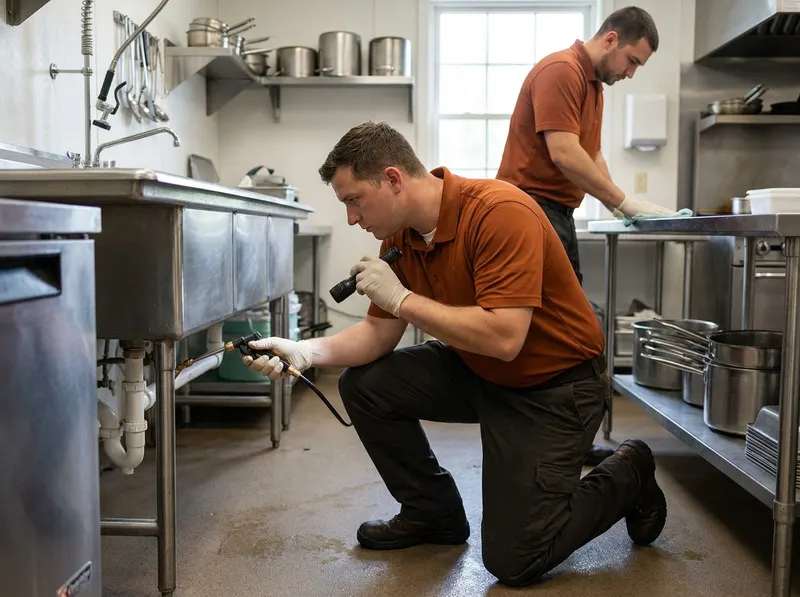
German, Oriental, and American cockroaches thrive in warm plumbing chases, beneath commercial dishwashers, and behind residential kitchen appliances, creating severe hygiene risks through bacterial contamination and airborne allergen shedding. We eliminate established infestations using insect growth regulators (IGRs), precision non-volatile gel baits, and HEPA-filtered vacuum extraction methods that dismantle breeding clusters without airborne pesticide drift. Our technicians focus on moisture-rich micro-environments, baiting sub-cabinet hinges, motor housings, and pipe collars to disrupt the insect reproductive cycle at the nymph stage, followed by detailed sanitation recommendations to remove competing food sources permanently.
View details →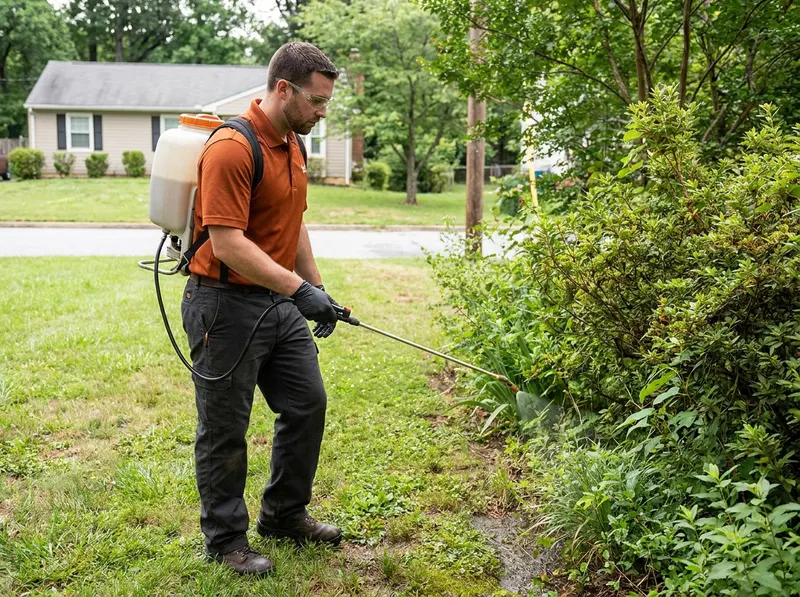
Dense deciduous foliage, shaded turf margins, and creek-fed humidity create ideal breeding and harborage zones for disease-carrying ticks and biting mosquitoes across residential yards. We treat dense ornamental shrubs, under-deck resting zones, retaining wall crevices, and standing moisture pockets using microencapsulated barrier sprays and botanical larvicides that drastically reduce biting insect populations. Applications target the undersides of broadleaf plants where mosquitoes harbor during midday heat, while tick perimeter bands along wooded property edges intercept deer ticks and dog ticks before they migrate into managed turf areas where children and pets play.
View details →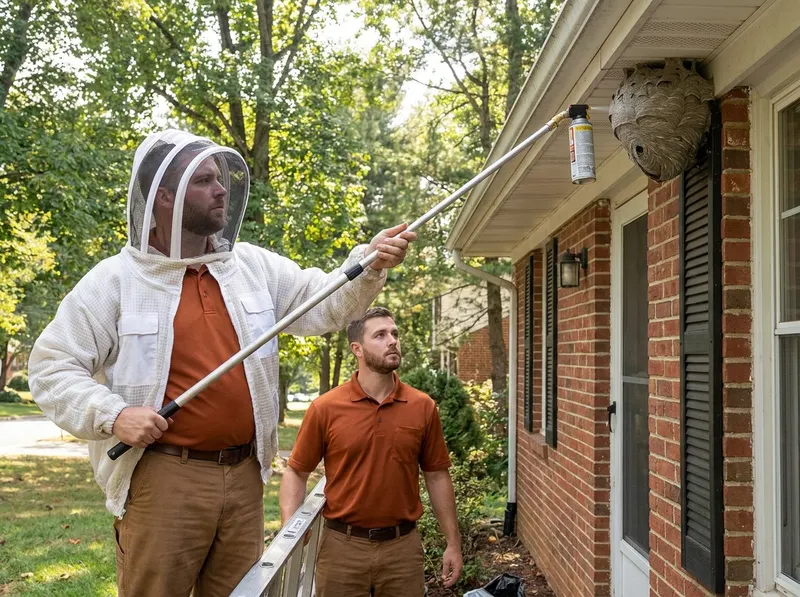
Paper wasps, bald-faced hornets, and aggressive yellow jackets nesting beneath exterior soffits, behind window shutters, within hollow porch columns, or in underground landscape burrows threaten outdoor family safety and property access. Our team performs direct nest injections utilizing specialized pressurized knockdown formulations and protective equipment, neutralizing defensive swarms immediately. We physically scrape, detach, and remove the aerial or subterranean nest structures from your property, followed by the application of residual repellent finishes to former anchor points to prevent secondary nest construction along exterior fascia boards and trim.
View details →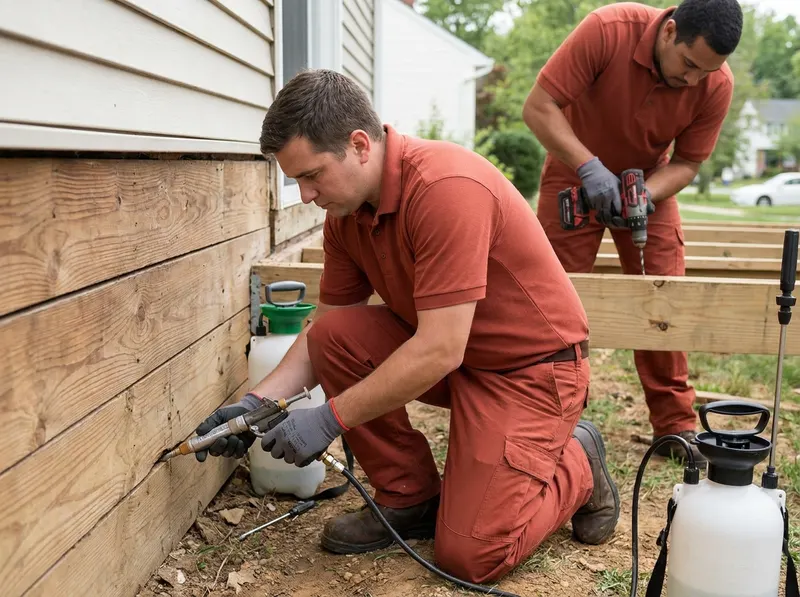
Carpenter ants do not consume wood fibers for nutrition, but they carve extensive galleries through structural studs, window headers, and moist subflooring to establish satellite nesting colonies. Our remediation specialists trace foraging trails back to parent colonies located in nearby rotting stumps or moisture-damaged structural wood. We apply specialized non-repellent transfer insecticides and targeted carbohydrate baits that workers transport deep into wall voids. In cases of extensive nesting inside wall cavities, technicians drill discrete micro-access ports into drywall voids to inject specialized insecticidal foams directly into the core gallery systems.
View details →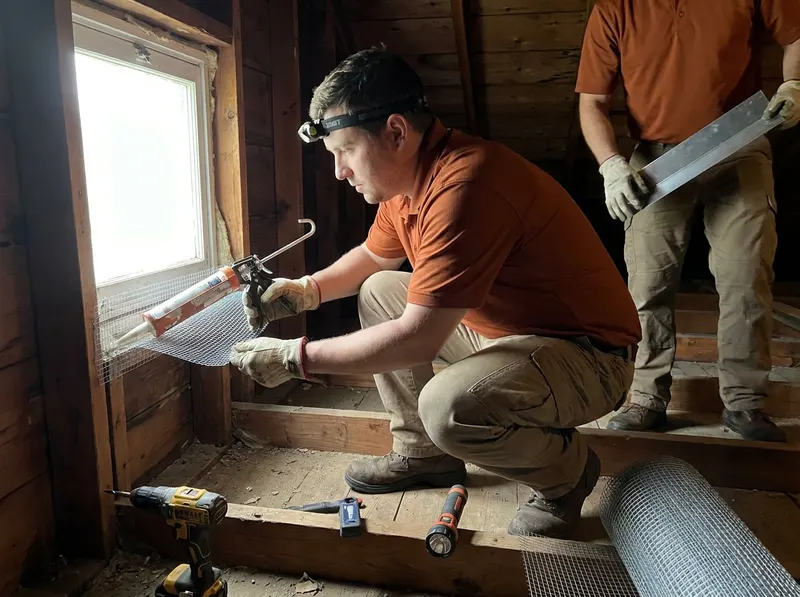
Grey squirrels, raccoons, and bats frequently force entry through rotted fascia boards, warped roof ridge caps, uncapped chimney flues, and gable louvers to establish maternal nests in attic insulation. We install humane one-way exclusion doors that allow animals to exit unharmed while physically preventing re-entry. Technicians secure heavy-gauge galvanized steel mesh across all architectural openings, replace damaged louver screens, and seal roofline vulnerabilities with structural fasteners. Following successful wildlife evacuation, we perform bio-sanitation to neutralize animal urine, feces, and ectoparasites left behind in attic spaces.
View details →A professional pest control service in Windsor Mill is a specialized structural protection service that eliminates active insect and rodent infestations while sealing building envelopes against future pest entry.
You get a firm, itemized quote for your pest control service before any work begins — no surprises, no pressure.
Careful prep, tidy work, and a full cleanup when we are done. We treat your home and belongings like our own.
The same trusted, background-checked team from the first call to the final check.
Choosing the appropriate pest management strategy requires evaluating the specific biological threat, the structural vulnerability of your foundation, and the physical location of the pest population. If you observe hollowed wood framing, discarded translucent insect wings along basement window ledges, or pinhole drywall perforations accompanied by fine soil deposits, choose dedicated subterranean termite defense; if you hear nocturnal scratching inside ceilings, find displaced fiberglass batt insulation, or discover gnawed electrical wiring sheathing near utility chases, choose rodent trapping paired with full structural exclusion. The fundamental trade-off between these interventions involves treatment geography, structural access requirements, and site preparation: termite protection requires exterior soil trenching, sub-slab injection around the complete foundation perimeter, or in-ground bait station installations, whereas rodent remediation concentrates on vertical exterior seal-ups, attic sanitization, crawl space moisture barriers, and interior mechanical capture grids. If you encounter sudden morning bite marks in clustered linear patterns or notice tiny rust-colored fecal spots on mattress seams, select targeted thermal remediation paired with localized non-residual desiccant wall dusting; if your lawn exhibits dense biting insect clouds near shaded tree borders and drainage swales, opt for seasonal yard perimeter barrier treatments. Thermal remediation requires extensive indoor item staging, laundering protocols, and temporary occupant relocation for several hours, while exterior yard misting demands zero interior disruption but relies on recurring weather-dependent barrier renewals across the active warm season. If your home has a vented crawl space prone to standing moisture and microbial growth, pairing structural encapsulation with perimeter insect barriers provides permanent pest deterrence; conversely, homes built on monolithic concrete slabs require perimeter soil saturation and mechanical door sweep upgrades to prevent crawling insect ingress. For commercial property managers balancing localized kitchen insect outbreaks against building-wide compliance mandates, electing a comprehensive Integrated Pest Management program provides predictable quarterly perimeter defense, digital trap trend logging, and documented health code compliance at a substantially lower per-visit cost than requesting standalone emergency cleanouts after an active infestation breaches finished commercial spaces.
Every project gets a firm, written price after a free on-site visit. Ranges below for orientation.
Tell us about your pest control service job and we'll send a clear, written quote — usually the same day. Or just call and talk to a real Windsor Mill pro.
(227) 269-7532
Properties across Windsor Mill face unique pest pressures stemming from the mature hardwood tree canopies and damp tributary corridors surrounding the Gwynns Falls Stream Valley and Scotts Level Park. In residential neighborhoods like Diamond Ridge, Villa Nova, and Rolling Road Estates, mid-century brick split-levels and homes featuring finished daylight basements frequently experience subterranean termite exploration due to dense Maryland clay soil retaining moisture along foundation footings. Furthermore, residential pockets situated near Diamond Ridge Golf Course, The Woodlands Golf Course, and Northwest Regional Health Center encounter heightened late-summer mosquito breeding along shaded drainage swales and significant autumn rodent migration as field mice and Norway rats seek shelter inside attic insulation and attached garage voids when evening temperatures drop across western Baltimore County. Older architectural builds in Hebbville and Milford Gardens with vented crawl spaces or ground-level masonry siding interfaces present vulnerable transition zones where carpenter ants exploit soft, moisture-laden framing lumber. Effective structural defense in this local ecosystem requires addressing the specific moisture dynamics created by Baltimore County soil hydrology rather than relying exclusively on temporary chemical sprays.
Free estimates for Windsor Mill & the surrounding area.
 Granite Peak Pest Services